How to Structure a Blog Post: A Beginner's Guide to Writing Perfect Blogs
Welcome to the world of blogging, where the art of structuring a blog post can make all the difference between engaging your readers and sending them to sleep. In this tutorial, we'll take you by the hand and show you how to structure a blog post that will leave your audience begging for more. By the end of this guide, you'll be a pro at crafting the perfect blog post structure, and your readers will thank you for it. So, let's dive in and explore the wonderful world of blog post structure examples and templates.
Step 1: Plan Your Blog Post Structure with a Clear Objective
Before you start writing, you need to plan your blog post structure. This involves defining your target audience, identifying your main topic, and determining the purpose of your post. Ask yourself, what do you want to achieve with your blog post? Are you trying to educate, entertain, or persuade your readers? Having a clear objective will help you stay focused and ensure your content is relevant to your audience. For example, if you're writing a blog post about "how to write the perfect blog post," your objective might be to provide tips and tricks for beginners. Check out this blog post structure example: 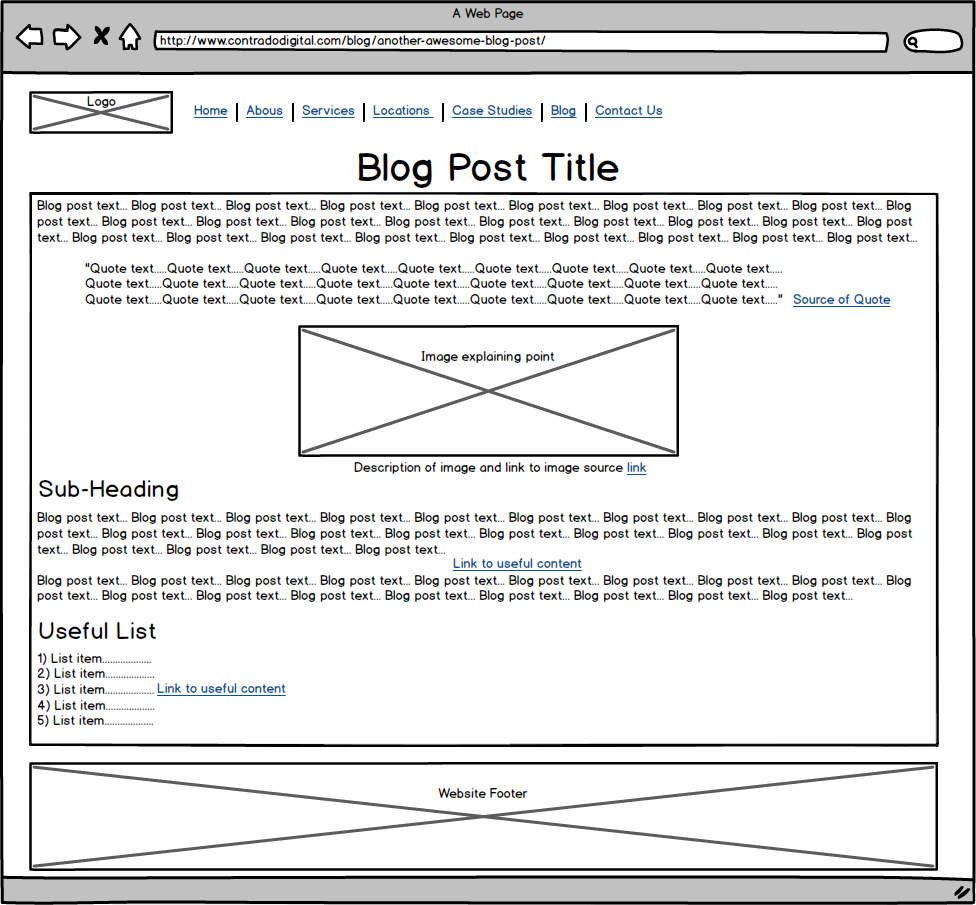
Step 2: Craft a Compelling Headline and Introduction
Your headline and introduction are the first things your readers will see, so make them count. Your headline should be attention-grabbing, informative, and optimized for search engines. Use keywords relevant to your topic, but make sure they flow naturally. Your introduction should provide a brief overview of what your readers can expect to learn from your post. Keep it concise, engaging, and free of jargon. For instance, if you're writing a blog post about "how to structure a blog," your headline might be "The Ultimate Guide to Structuring a Blog Post: Tips and Tricks." Check out this example of a well-structured blog post: 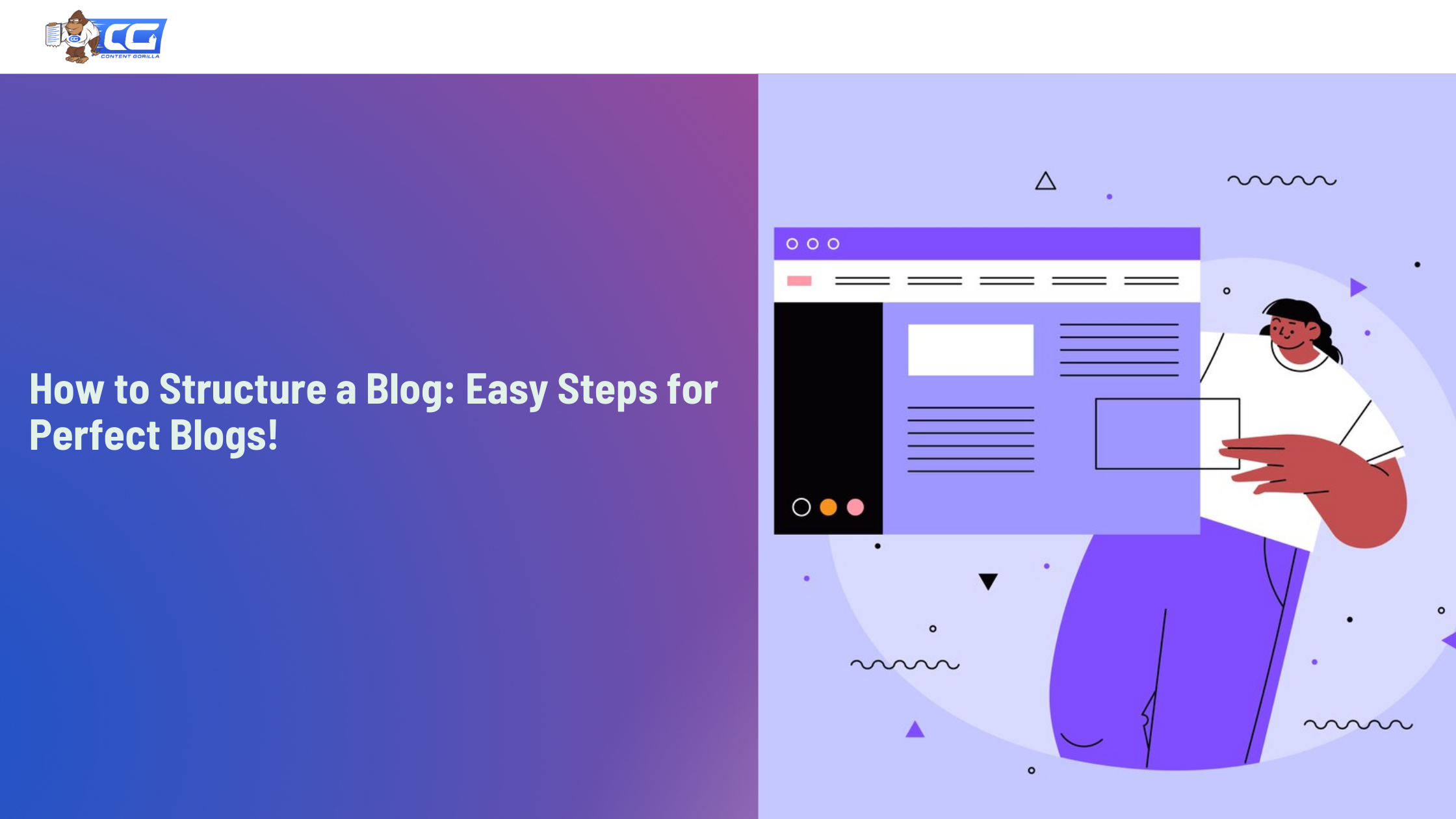
Step 3: Write Engaging and Informative Content
Now it's time to get to the meat of your blog post. Your content should be engaging, informative, and easy to read. Break up your text into smaller paragraphs, and use subheadings to separate different sections. Use bullet points and lists to make your content more scannable, and include relevant images to illustrate your points. Remember to keep your language concise and accessible, avoiding technical jargon and complex terminology. For example, if you're writing a blog post about "blog post structure examples," you might include a section on the importance of using headings and subheadings.
Step 4: Optimize Your Blog Post for Search Engines
Search engine optimization (SEO) is crucial for getting your blog post seen by a wider audience. Use relevant keywords throughout your content, but make sure they're not stuffed in artificially. Optimize your meta title, description, and keywords, and use header tags to structure your content. Internal and external linking can also help improve your blog post's visibility, so include relevant links to other articles or sources. For instance, if you're writing a blog post about "how to structure a blog post," you might include a link to a relevant article on "blog post structure templates."
Step 5: Edit and Proofread Your Blog Post
Once you've finished writing your blog post, it's time to edit and proofread. Check for spelling and grammar mistakes, and ensure your punctuation is correct. Read your post aloud to check for flow and clarity, and ask a friend or colleague to review it for feedback. Make sure your formatting is consistent, and your images are properly optimized. A well-edited and proofread blog post will make a huge difference in the quality of your content and the credibility of your blog.
Step 6: Publish and Promote Your Blog Post
The final step is to publish and promote your blog post. Choose a relevant category and tag your post with relevant keywords. Write a compelling meta description and optimize your social media sharing buttons. Share your post on your social media channels, and engage with your readers by responding to comments and creating a community around your blog. Consider collaborating with other bloggers or influencers in your niche to expand your reach. For example, if you're writing a blog post about "blog post structure examples," you might share it on Twitter or LinkedIn to reach a wider audience.
By following these steps, you'll be well on your way to creating a well-structured blog post that will engage and inform your readers. Remember to keep your content fresh, relevant, and optimized for search engines, and don't be afraid to experiment and try new things. Happy blogging!
Frequently Asked Questions
Q: What is the ideal length of a blog post? A: The ideal length of a blog post varies depending on your audience and topic, but aim for at least 500 words to provide valuable and informative content. Q: How often should I post on my blog? A: The frequency of your blog posts depends on your goals and audience, but aim for at least once a week to keep your readers engaged and coming back for more. Q: What are some common mistakes to avoid when structuring a blog post? A: Common mistakes include not planning your content, using poor formatting, and neglecting to optimize for search engines. Avoid these mistakes by following the steps outlined in this guide and always keeping your audience in mind.
How To Structure A Blog Post To Attract + Retain Readers
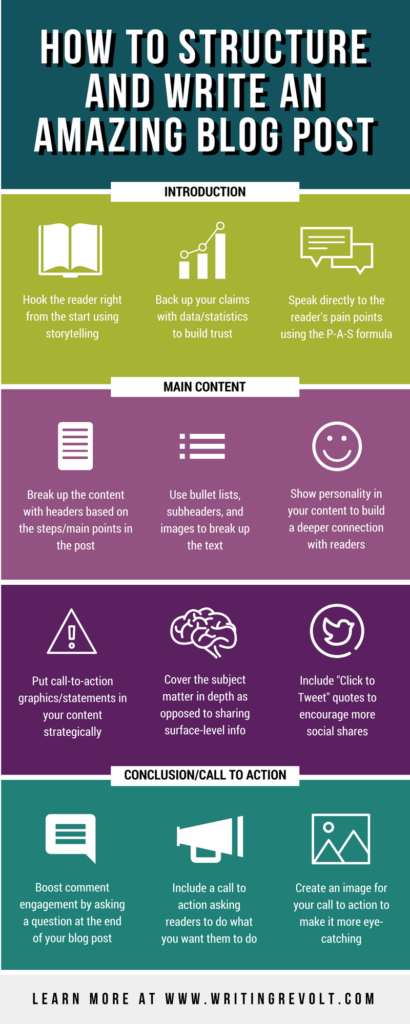
How to Structure a Blog Post to Attract + Retain Readers
How To Best Structure & Format A Blog Post

How to Best Structure & Format a Blog Post
If You're New To Blog Marketing Or Looking To Improve Your Blog Post
If you're new to blog marketing or looking to improve your blog post ...